


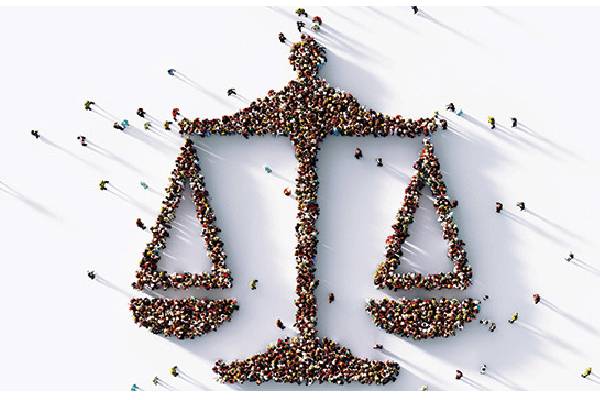
- Promoting the UN Sustainable Development Goal of ‘justice for all’ brings with it economic and business benefits.
- The ICC International Court of Arbitration strives to boost access to justice worldwide.
Access to justice is generally defined as the ability of individuals and businesses to seek and obtain a just resolution of a legal dispute or problem. It is a basic principle of the rule of law in established democracies and has become a strategic goal on a global scale as part of the United Nation’s 2030 Agenda for Sustainable Development, which included a call for ‘justice for all’.
Economic implications of the justice gap
Yet unfortunately, justice is far from accessible for everyone around the world. A 2019 study conducted by the independent organisation World Justice Project estimated that more than 5 bn people—approximately two-thirds of humanity—face obstacles to accessing justice (‘Global insights on access to justice 2019’). Lacking access to justice means they cannot make their voices heard, exercise their rights, challenge discrimination, or hold decision-makers accountable for their




