


Applicants are asked to list ‘12 cases of substance, complexity, or particular difficulty or sensitivity’, in which they have appeared in the past three years. The application process began last February, with the required 2,550 assessments received by late-July (a range of external judicial, practitioner and client feedback on each applicant is sought by the selection panel), and 147 candidates interviewed in September and October.
Monisha Shah, Chair of the Selection Panel, said: ‘The selection process is a rigorous and demanding one and I believe that every one of these new silks will be a credit to their profession.’
The successful group—65 men and 30 women—includes 13 applicants who declared an ethnic origin other than white, eight who declared a disability, and one employed barrister. In terms of practice areas, 22 of the new silks are criminal practitioners, while ten practise family only and 58 practise civil law only.
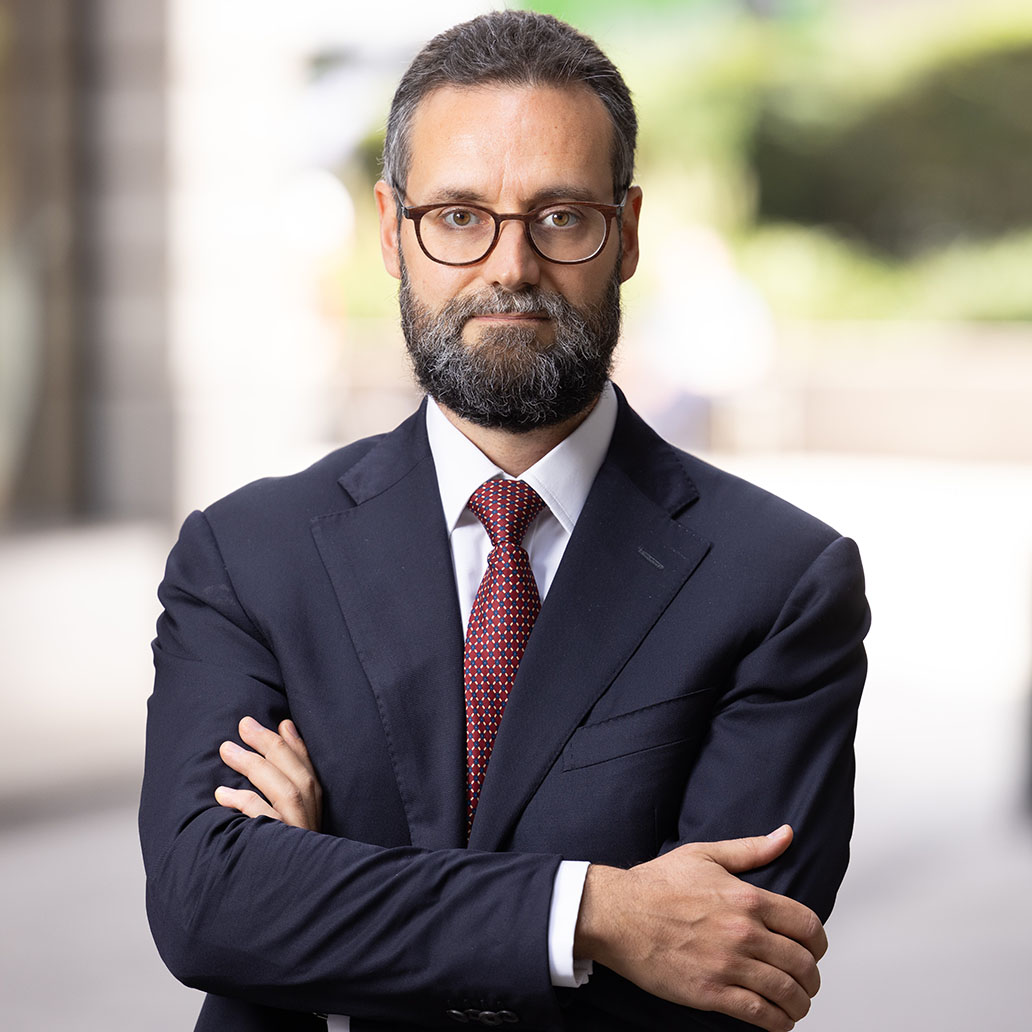
However, all are barristers, apart from one—solicitor-advocate Hussein Haeri, partner at Withers (pictured), who specialises in international arbitration and dispute resolution and international law.
Peter Wood, CEO of Withers’ dispute resolution division, said Haeri ‘has been an outstanding advocate and leader of the firm's international arbitration group for many years, contributing to our growing global reputation. We are particularly proud that he is the only solicitor advocate to receive the accolade this year’.
Law Society president Nick Emmerson said: ‘Since 1995, solicitors with higher rights of audience have been eligible to apply for KC status.
‘Approximately 217 solicitors have applied, of whom 65 have successfully been appointed.’ Emmerson said he believed both the overall number of solicitor applicants and successful appointments ‘could be higher.
‘We are keen to help eligible solicitors demonstrate their unique skills and experience and are calling for greater recognition of these as part of the qualifying process.’
Five honorary KCs were announced, including Sir Bob Neill MP, chair of the House of Commons Justice Committee.
The titles will be formally bestowed in March.




