
header-logo header-logo

Reforming criminal appeals: déjà vu?

11 April 2025 / Martin Rackstraw
Issue: 8112 / Categories: Opinion , Criminal
printer mail-detail
215642
Can the Law Commission’s consultation finally deliver radical reforms 30 years in the making? Martin Rackstraw weighs up the issues at hand

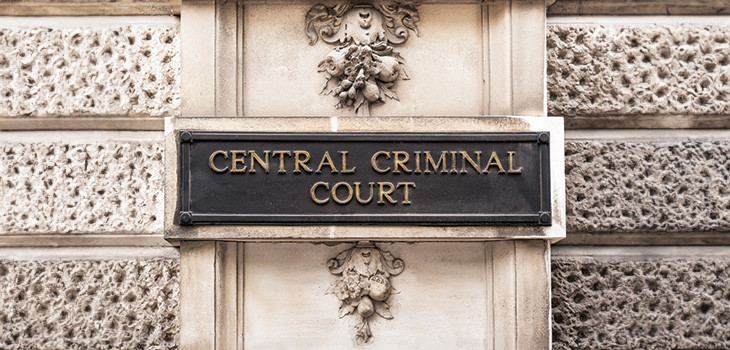
Criminal defence practitioners—and indeed anyone who is concerned about preventing miscarriages of justice—will welcome the Law Commission’s recently published consultation paper on appeals in criminal proceedings.

National outrage at the wrongful convictions of many innocent sub-postmasters due to the Horizon scandal, and the appalling case of Andrew Malkinson, gives the Law Commission’s project added urgency. However, in truth, discontent with the current appellate system has been widespread for years.

Lessons from past reforms

One of the most frustrating aspects of all this is the very real sense that we have been here before. As far back as 1991, following public concern over the wrongful conviction and imprisonment of the Guildford Four, the Birmingham Six and others, the then government set up a Royal Commission to carry out a thorough review of the criminal justice system. A key recommendation of that commission was the creation of an independent body to review criminal convictions—the previous system, whereby post-appeal reviews were handled

If you are not a subscriber, subscribe now to read this content
If you are already a subscriber sign in
...or Register for two weeks' free access to subscriber content

MOVERS & SHAKERS

Muckle LLP—Stacey Brown

Muckle LLP—Stacey Brown

Corporate governance and company law specialist joins the team

Excello Law—Heather Horsewood & Darren Barwick

Excello Law—Heather Horsewood & Darren Barwick

North west team expands with senior private client and property hires

Ward Hadaway—Paul Wigham

Ward Hadaway—Paul Wigham

Firm boosts corporate team in Newcastle to support high-growth technology businesses

NEWS

NOTICE UNDER THE TRUSTEE ACT 1925

HERBERT SMITH STAFF PENSION SCHEME (THE “SCHEME”)

NOTICE TO CREDITORS AND BENEFICIARIES UNDER SECTION 27 OF THE TRUSTEE ACT 1925
Law firm HFW is offering clients lawyers on call for dawn raids, sanctions issues and other regulatory emergencies
From gender-critical speech to notice periods and incapability dismissals, employment law continues to turn on fine distinctions. In his latest employment law brief for NLJ, Ian Smith of Norwich Law School reviews a cluster of recent decisions, led by Bailey v Stonewall, where the Court of Appeal clarified the limits of third-party liability under the Equality Act
Non-molestation orders are meant to be the frontline defence against domestic abuse, yet their enforcement often falls short. Writing in NLJ this week, Jeni Kavanagh, Jessica Mortimer and Oliver Kavanagh analyse why the criminalisation of breach has failed to deliver consistent protection
Assisted dying remains one of the most fraught fault lines in English law, where compassion and criminal liability sit uncomfortably close. Writing in NLJ this week, Julie Gowland and Barny Croft of Birketts examine how acts motivated by care—booking travel, completing paperwork, or offering emotional support—can still fall within the wide reach of the Suicide Act 1961
back-to-top-scroll
