
header-logo header-logo

24 April 2026
Issue: 8158 / Categories: Legal News , Technology , Family , Disclosure , Privacy
printer mail-detail

NLJ this week: Brain data could rewrite family justice

247613
© Getty images
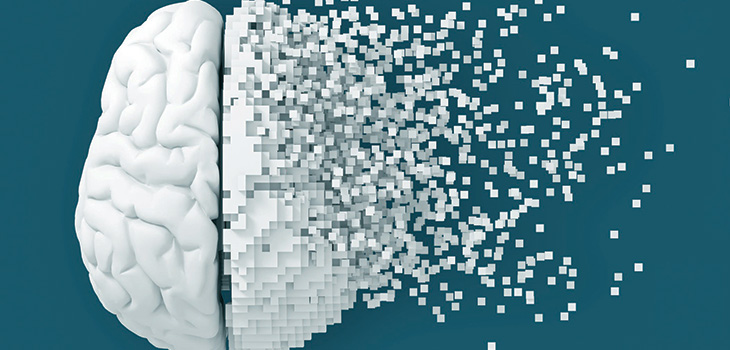
Emerging technologies may soon transform how courts determine truth in deeply personal disputes. In this week's NLJ, Madhavi Kabra of 1 Hare Court and Harry Lambert of Outer Temple Chambers explore how neurotechnology could reshape family law

Wearables may replace ‘he says, she says’ disputes with objective neural data on stress, memory and recognition. From custody battles to hidden assets, courts could access ‘time-stamped’ physiological evidence.

Yet risks loom: privacy breaches, admissibility hurdles and reliance on expert interpretation. Judges may face a ‘battle of the experts’.

The promise is clarity; the danger is ‘state-sanctioned mental intrusion’ into intimate human experience.

MOVERS & SHAKERS

Gateley Legal—Jack Kelly

Gateley Legal—Jack Kelly

Gateley Legal expands Midlands residential development team

Gibson Dunn—Richard Surtees

Gibson Dunn—Richard Surtees

Gibson Dunn adds employee benefits and executive compensation practice in London with partner Richard Surtees

Laytons ETL—Alec Cameron

Laytons ETL—Alec Cameron

Laytons ETL appoints new partner and head of intellectual property disputes

NEWS
A series of recent decisions has clarified important principles across property law, from perpetuities to lease renewals and public rights over land
Employers cannot rely on wellbeing services alone to defend workplace stress claims after a High Court decision awarding almost £1m to an overworked employee
Andy Burnham's brand of 'Manchesterism' could offer fresh thinking on legal aid and access to justice if it reaches Westminster, according to Roger Smith, NLJ columnist and former director of JUSTICE
The constitutional fallout from a change of prime minister, rather than the politics, is under scrutiny as questions arise over the limits of executive authority in a leadership transition
The legal profession is undergoing a fundamental shift from selling services to creating technology-enabled products, according to Professor Luke Mason, Head of School of Law at Regent's University London
back-to-top-scroll

