


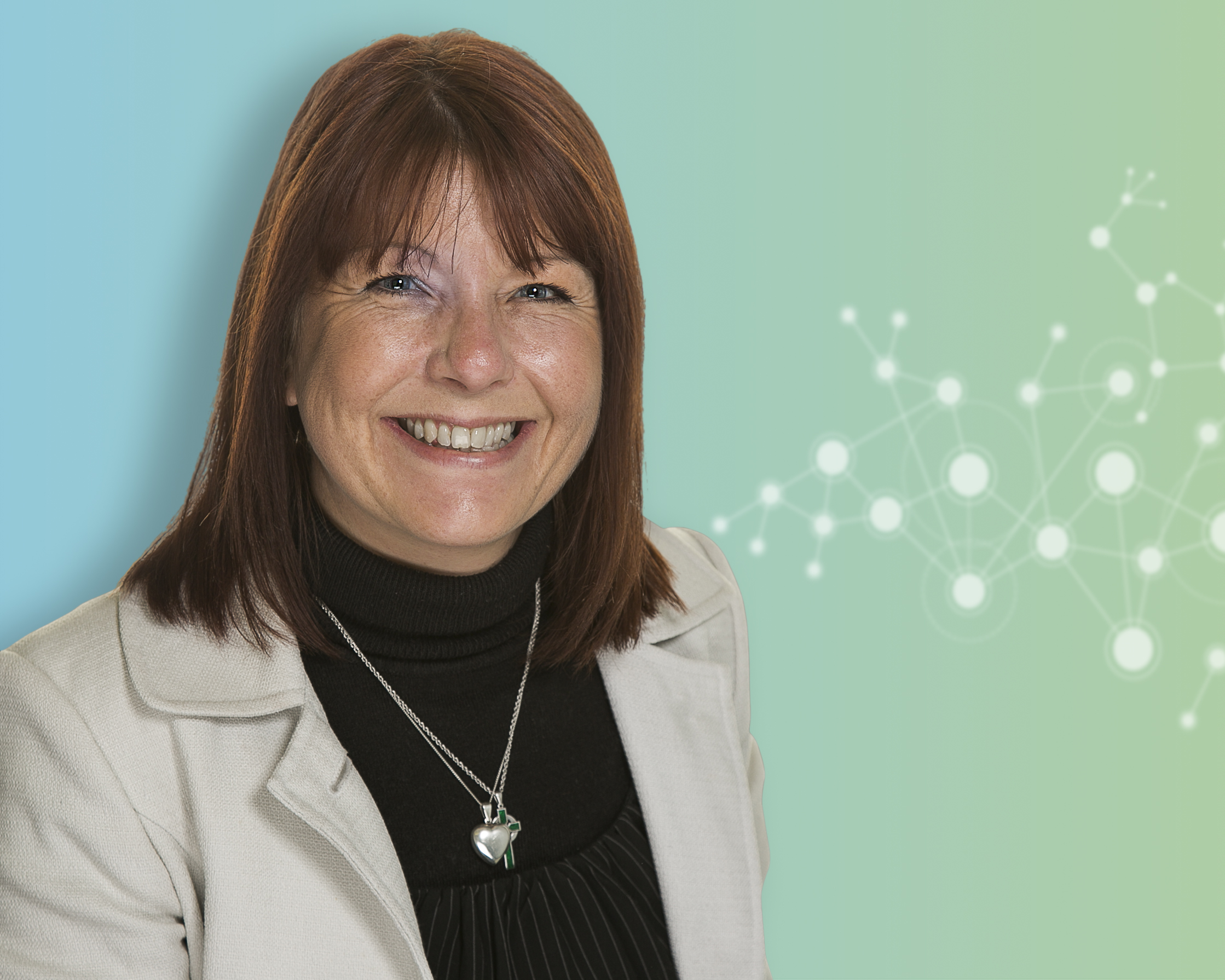
The Wynne-Jones partner relishes her new challenge as head of training
Vicki Strachan has recently joined the partnership of IP firm Wynne-Jones.
What was your route into the profession?
I did a degree in electrical and electronic engineering, but it soon became clear that I would not be happy in a hands-on engineering role. I took a post with the UK Intellectual Property Office as an examiner and became fascinated by the law, but wanted to pursue a more commercial role in the longer term. A trainee post came up locally when I had been an examiner for just under two years, and the rest is history…
What has been your biggest career challenge so far?
There have been lots of challenges, some good, some not so good. I think my greatest challenge will be in my current role as head of training for Wynne-Jones IP. I have been charged with setting up and running the Wynne-Jones Training Academy and currently have three trainees in my care. It is so important to me to ensure that they have a good experience of the training process and remain excited and passionate about Wynne-Jones and the profession as a whole, even though the first couple of years, especially, can be hard (I remember). Standards of training vary greatly across the profession and I hope we will eventually become a centre of excellence in that regard.
Which person within the legal profession inspires you most?
I won’t name anyone, but I was trained by two true gentlemen, and I am always inspired by people who can flourish in a commercial world without losing sight of their core human values.
If you weren’t a lawyer, what would you choose as an alternate career?
I would be a teacher. I have a post-graduate certificate of education and spent a couple of happy years lecturing at Gloucestershire College.
Who is your favourite fictional lawyer?
I used to love watching Ally McBeal.
What change would you make to the profession?
The profession has already changed from when I joined it in 1994, and continues to do so. It is certainly becoming more inclusive. I would like to see patent law and practice made much more uniform across the world, which would ultimately benefit businesses and entrepreneurs greatly in terms of cost and time to secure worldwide patent protection. But I don’t expect that to happen in my lifetime!
How do you relax?
Nothing makes me happier than spending quality time with my family—I wouldn’t call it relaxing (we have four children and a grandchild), but it is always fun.




