


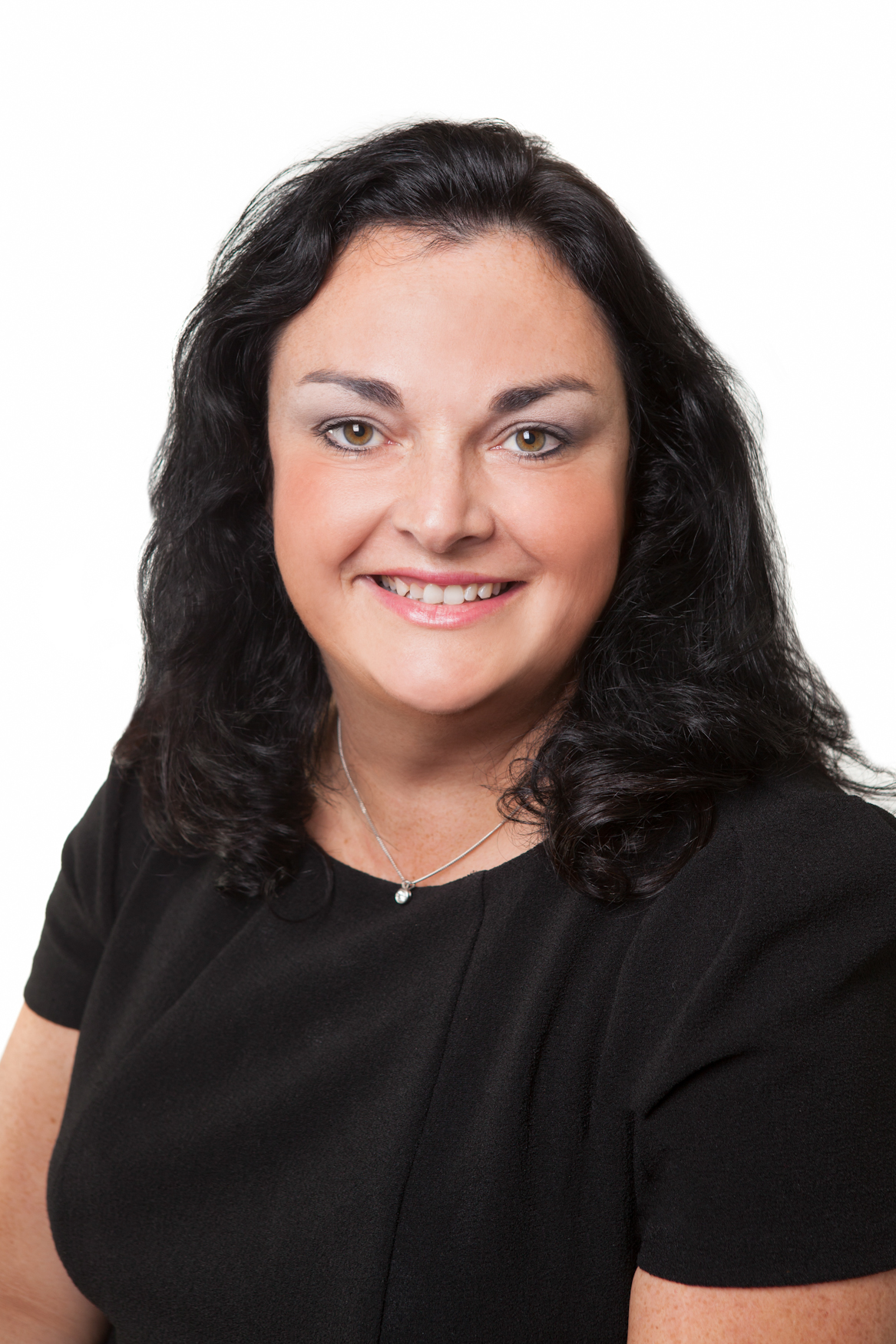
The head of the defendant team at Dukes Law calls for proper access to justice
Katherine Gavin is head of the defendant team at Dukes Law, part of Fletchers Solicitors. Katherine, who has previously worked for several large defendant firms such as DWF and Silverbeck Rymer as well as Guardian Insurance, AXA, and Abbey National joined Fletchers Solicitors to help set up and run the Dukes Law defendant team.
What has been your biggest career challenge so far?
By far the biggest challenge I have faced in my career was moving from traditional defendant law firms to a firm that was entirely focused on claimant work. However, by making this move, I have realised that in fact lawyers on both sides are working to ensure that those people who are genuinely injured are properly compensated for their losses and injuries. Also, that representing the interest of the insurer is not in conflict with representing the interest of the lay client.
Which person within the legal profession inspires you most?
I meet people all of the time in the profession who inspire me. I am frequently inspired by stories of seriously injured people and the way that they rebuild their lives after accidents. Some people go through some truly horrific experiences that will affect them for the rest of their lives and it is incredible to see the strength that these people have to move forward.
If you weren’t a lawyer, what would you choose as an alternate career?
If I wasn’t a lawyer, I would have trained to become a teacher, I have two small children and managing the school holidays is tough when working full time. I have to say, though, that I’m very lucky to work in a firm with flexible working hours as it allows me to vary my work schedule to fit in with family life. Without that I am sure it would be almost impossible to be able to manage my work and personal commitments.
Who is your favourite fictional lawyer?
I’d say that Frank Galvin in The Verdict is my favourite fictional lawyer, it’s a great film and Paul Newman is a brilliant actor.
What change would you make to the profession?
The cuts to the legal aid budget following on from the reduction in fees for civil practitioners, has left many people with little or no access to justice. This is something I would definitely change, as everyone deserves proper access to justice.
How do you relax?
When I get time to relax, I love spending quality time with my family and planning family activities.




