
header-logo header-logo

17 September 2021 / Caroline Greenwell , Peter Carlyon
Issue: 7948 / Categories: Features , Environment
printer mail-detail

Don’t spin the greenwash

57437
Caroline Greenwell & Peter Carlyon consider the issue of companies exaggerating their green credentials
  • Looks at extent and impact of greenwashing by companies, reputational damage where they’re caught out and potential regulatory action.

Sustainability and environmentalism are featuring at the core of brands’ identities with increasing prevalence. With environmentally conscious consumers demanding greener products, brands have been under more pressure than ever to publicise their environmental credentials. This pressure looks set to increase with research by data analytics company Kantar in September 2020 ‘Who cares? Who does?’ suggesting sustainability has become a bigger concern for consumers since the COVID-19 pandemic began.

All talk no action?

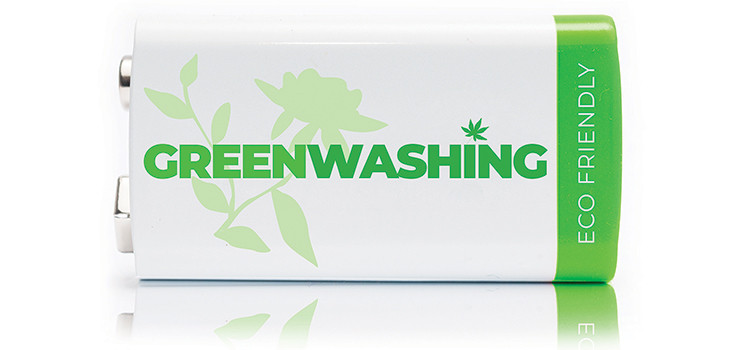
Hand in hand with this consumer pressure, comes a temptation to exaggerate green credentials, to which some brands appear to be bowing. It is not new for bold, current and memorable marketing to be used to attract consumers to particular products and services but when the headlines include net-zero targets and claims of ‘plastic free’ and ‘recycled materials only’, to what extent is this exaggeration (aka ‘greenwashing’) a problem for consumers

If you are not a subscriber, subscribe now to read this content
If you are already a subscriber sign in
...or Register for two weeks' free access to subscriber content

MOVERS & SHAKERS

Hogan Lovells—Lisa Quelch

Hogan Lovells—Lisa Quelch

Partner hire strengthens global infrastructure and energy financing practice

Sherrards—Jan Kunstyr

Sherrards—Jan Kunstyr

Legal director bolsters international expertise in dispute resolution team

Muckle LLP—Stacey Brown

Muckle LLP—Stacey Brown

Corporate governance and company law specialist joins the team

NEWS

NOTICE UNDER THE TRUSTEE ACT 1925

HERBERT SMITH STAFF PENSION SCHEME (THE “SCHEME”)

NOTICE TO CREDITORS AND BENEFICIARIES UNDER SECTION 27 OF THE TRUSTEE ACT 1925
Law firm HFW is offering clients lawyers on call for dawn raids, sanctions issues and other regulatory emergencies
From gender-critical speech to notice periods and incapability dismissals, employment law continues to turn on fine distinctions. In his latest employment law brief for NLJ, Ian Smith of Norwich Law School reviews a cluster of recent decisions, led by Bailey v Stonewall, where the Court of Appeal clarified the limits of third-party liability under the Equality Act
Non-molestation orders are meant to be the frontline defence against domestic abuse, yet their enforcement often falls short. Writing in NLJ this week, Jeni Kavanagh, Jessica Mortimer and Oliver Kavanagh analyse why the criminalisation of breach has failed to deliver consistent protection
Assisted dying remains one of the most fraught fault lines in English law, where compassion and criminal liability sit uncomfortably close. Writing in NLJ this week, Julie Gowland and Barny Croft of Birketts examine how acts motivated by care—booking travel, completing paperwork, or offering emotional support—can still fall within the wide reach of the Suicide Act 1961
back-to-top-scroll
