


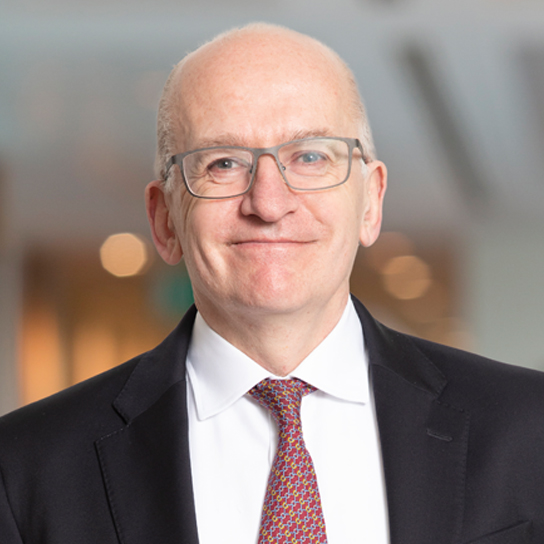
The City of London Law Society (CLLS) has established a new committee specifically dedicated to the topic of arbitration law and appointed Deputy CEO of Hogan Lovells, Michael Davison, as its first chair.
The committee brings together the City’s most esteemed practitioners in the field of arbitration to provide expert advice to the Government, lawmakers and other stakeholders on international disputes. The launch of the Committee also marks an important step for the CLLS as it works to promote the City of London as one of the most important centres for arbitration in the post-Brexit landscape.
The committee is honoured to have appointed Michael Davison, Deputy CEO of Hogan Lovells, as chair. For almost 30 years, Mr. Davison has led Hogan Lovells’ litigation, arbitration and employment practice, comprising 200 partners and 800 lawyers across around the globe. He also sits as an arbitrator, acts as a mediator, and lectures on arbitration topics.
The new committee has swung straight into action, submitting comments on 22 December to the Law Commission’s consultation on the review of the Arbitration Act 1996. The CLLS and its member firms seek to reduce as much as possible the complexity and undue costs of the Act, and to ensure London is an even more appealing choice for international actors involved in arbitration procedures.
Michael Davison said with regard to his new role: 'I am excited to have been appointed Chair of the new CLLS Arbitration Law Committee. I look forward to engaging with the excellent team we have assembled to bolster London’s position as one of the world’s leading arbitration centres. By providing a clear and consistent voice across organisations, the new committee will help us maintain our competitive edge, as other disputes hubs try to gain momentum. Our objective is to be a voice that will help modernise the arbitration system, while supporting the next generation of leaders in our field.'
Edward Sparrow, chairman of the CLLS, commented on the committee: 'I welcome the establishment of the new CLLS Arbitration Law Committee. It is a welcome addition to the ranks of CLLS committees which provide invaluable expert advice to Government, regulators and other stakeholders. Chaired by the experienced Michael Davison of Hogan Lovells, the Committee will be an important voice in promoting London as a leading centre of arbitration in the post-Brexit world.'




