
header-logo header-logo

24 April 2026 / David Wolchover
Issue: 8158 / Categories: Opinion , Criminal , In Court
printer mail-detail

A hidden factor behind the backlog?

247614
© Martin Pope/ZUMA Press Wire/Shutterstock

Tightening the prosecution test, not curbing jury trials, could stem the flow of weak cases overwhelming the crown court, argues David Wolchover

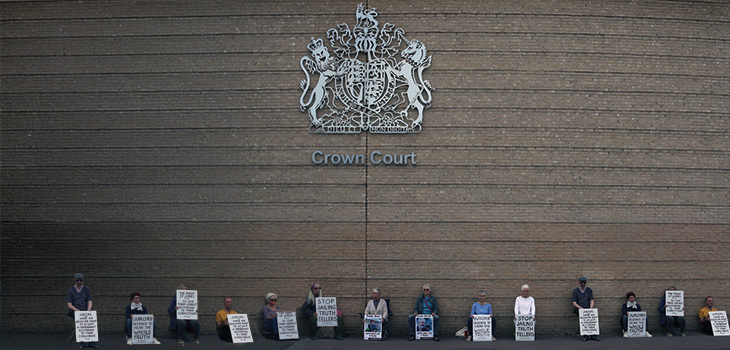
The Courts and Tribunals Bill was passed by the House of Commons at first reading on 10 March, with only ten Labour members dissenting. However, large numbers abstained, and it is anticipated that, if the government does not relent, they may well see off the proposed ending of jury trial for offences carrying under three years’ imprisonment. The government contends that the measure—recommended in Part 1 of Sir Brian Leveson’s Independent Review of the Criminal Courts—will be a key factor in reducing the Crown Court backlog of cases, now at crisis level.

Critics of the proposal point to chronic under-investment in criminal justice as the cause, but there is a hidden factor at work—one only indirectly related to the use of juries. Quite simply, far too many prosecutions are being permitted to proceed to trial as a result of the institutional inadequacy of the statutory screening process for permitting prosecutions to proceed.

Earlier ad hoc practice

Until

If you are not a subscriber, subscribe now to read this content
If you are already a subscriber sign in
...or Register for two weeks' free access to subscriber content

MOVERS & SHAKERS

Anthony Collins—20 promotions

Anthony Collins—20 promotions

20 promotions mark major people investment at national law firm, Anthony Collins

Sidley—Elaine Whiteford

Sidley—Elaine Whiteford

Sidley adds competition litigator Elaine Whiteford in London

Charles Russell Speechlys—Claudina D’Costa

Charles Russell Speechlys—Claudina D’Costa

Charles Russell Speechlys welcomes Claudina D’Costa as Director of Client Development Marketing

NEWS
The 25th Pro Bono Week begins today until 6 November, with events hosted by law firms, chambers, law schools and charities across the UK
Pro bono is celebrating a silver anniversary, with initiatives putting businesses and students at the heart of access to justice
Choosing the wrong expert can cost a clinical negligence claimant more than their case
Judges risk weakening their own independence by staying silent over government reforms, a leading public lawyer argues
A discount on damages does not automatically mean an equivalent haircut for legal costs in military deafness claims
back-to-top-scroll
